

Key Takeaways
- A blanket purchase order enables multiple purchases under one agreement
- Blanket POs reduce administrative effort and accelerate procurement
- They improve cost control through negotiated terms
- They give finance leaders better visibility into recurring spend
- Strong oversight is essential to avoid risk and maximize value
If your teams are still issuing a new purchase order for every recurring expense, you are not just losing time. You are losing control.
A blanket purchase order is not just a procurement shortcut. It is a financial strategy. When used correctly, it transforms how organizations manage recurring spend, vendor relationships, and budget predictability.
What Is a Blanket Purchase Order?
A blanket purchase order (blanket PO, blanket order, or blanket purchase) is a long-term agreement between a business and a vendor that allows multiple purchases over a defined period under pre-negotiated terms.
Instead of issuing new purchase orders for each transaction, organizations create one blanket PO with agreed pricing, limits, and timelines. Teams then draw down against it as needed.
You may also hear it referred to as:
- Blanket purchase
- Blanket order
- Blanket POS
- Blanket PO
- Blanket purchase order
All refer to the same concept: one agreement powering many transactions.
Why Blanket Purchase Orders Matter More Than Ever
Finance leaders are being asked to deliver more than cost savings. They are expected to drive predictability, control, and scalability across the organization. A well-structured blanket purchase order supports all three.
Eliminate Procurement Friction
Blanket POS remove the need to repeatedly create and approve new purchase orders, reducing administrative burden and accelerating purchasing cycles.
Lock in Cost Savings
Long-term agreements make it easier to negotiate better pricing and protect against price volatility.
Improve Budget Predictability
With predefined limits and timelines, blanket purchase orders give finance teams better visibility into committed spend.
Strengthen Vendor Relationships
Suppliers benefit from predictable demand, while organizations gain reliability and consistency.
Enable Scalable Growth
As organizations grow, repetitive procurement quickly becomes unmanageable. Blanket purchase orders create structure without adding complexity.
How a Blanket PO Works in Practice
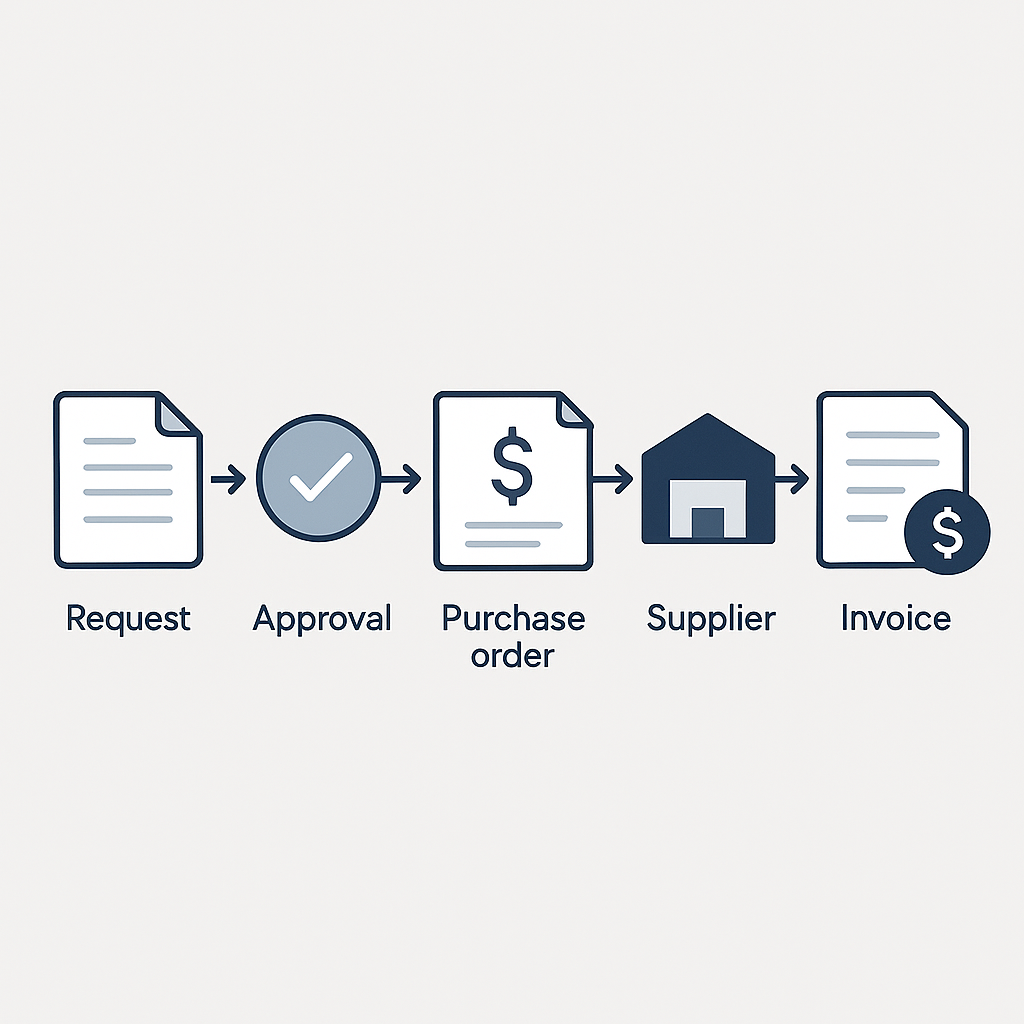
A blanket purchase order typically follows a simple structure:
- Identify recurring purchasing needs
- Negotiate pricing, terms, and limits with a vendor
- Issue a blanket purchase order for a defined period
- Allow internal teams to release orders as needed
- Track deliveries and invoices against the same blanket PO
This approach removes redundant approvals while maintaining financial control.
Example:
A company sets up a blanket order for office supplies over 12 months. Instead of issuing dozens of purchase orders, teams order supplies as needed under the same agreement.
Blanket PO vs Standard Purchase Order
Understanding this difference is critical for finance leaders:
| Feature | Blanket Purchase Order | Standard Purchase Order |
|---|---|---|
| Usage | Recurring purchases | One-time purchases |
| Approval | Single contract approval | Approval per order |
| Flexibility | High | Low |
| Admin Effort | Low | High |
| Pricing | Pre-negotiated | Variable |
A blanket purchase order supports continuity, while a standard PO supports one-time control.
Where Blanket Purchase Orders Deliver the Most Value
Blanket POS are most effective in predictable, repeat purchasing scenarios:
- Manufacturing materials
- Office and facility supplies
- Maintenance, repair, and operations
- Professional services with variable usage
- IT services and recurring expenses
In these cases, the goal is not just efficiency. It is control at scale.
The Hidden Risk: Why Blanket POS Need Oversight
Blanket purchase orders are powerful, but without visibility, they can create risk:
- Overspending against contract limits
- Unused committed spend
- Poor demand forecasting
- Reduced flexibility if market prices drop
The difference between value and risk comes down to how well blanket POS are monitored.
The Strategic Opportunity for Finance Leaders
Blanket purchase orders should not live only in procurement. They belong in finance strategy. When properly managed, they help:
- Align spending with financial planning
- Reduce off-contract purchasing
- Strengthen cash flow visibility
- Support audit readiness
Leading organizations pair blanket purchase orders with strong purchase order management and real-time insight to maintain control across every transaction.

Personalized demo
Discover Yooz, the smartest, most powerful, and easiest-to-use solution!
Blanket Purchase Order FAQs
What is a blanket purchase order?
A blanket purchase order is a long-term agreement that allows a business to make multiple purchases from a vendor over time under pre-approved pricing, limits, and terms.
When should you use a blanket purchase order?
Use a blanket purchase order when purchases are recurring, predictable, and sourced from the same vendor over a defined period.
What is the difference between a blanket PO and a standard PO?
A blanket PO covers multiple purchases under one agreement, while a standard purchase order is created for a single, one-time transaction.
What are the benefits of blanket purchase orders?
Blanket purchase orders reduce administrative work, improve cost control through negotiated pricing, and provide better visibility into recurring spend.
Are blanket purchase orders legally binding?
Yes, a blanket purchase order is a binding agreement that defines pricing, terms, and conditions for future purchases between a buyer and a vendor.

Additional Resources